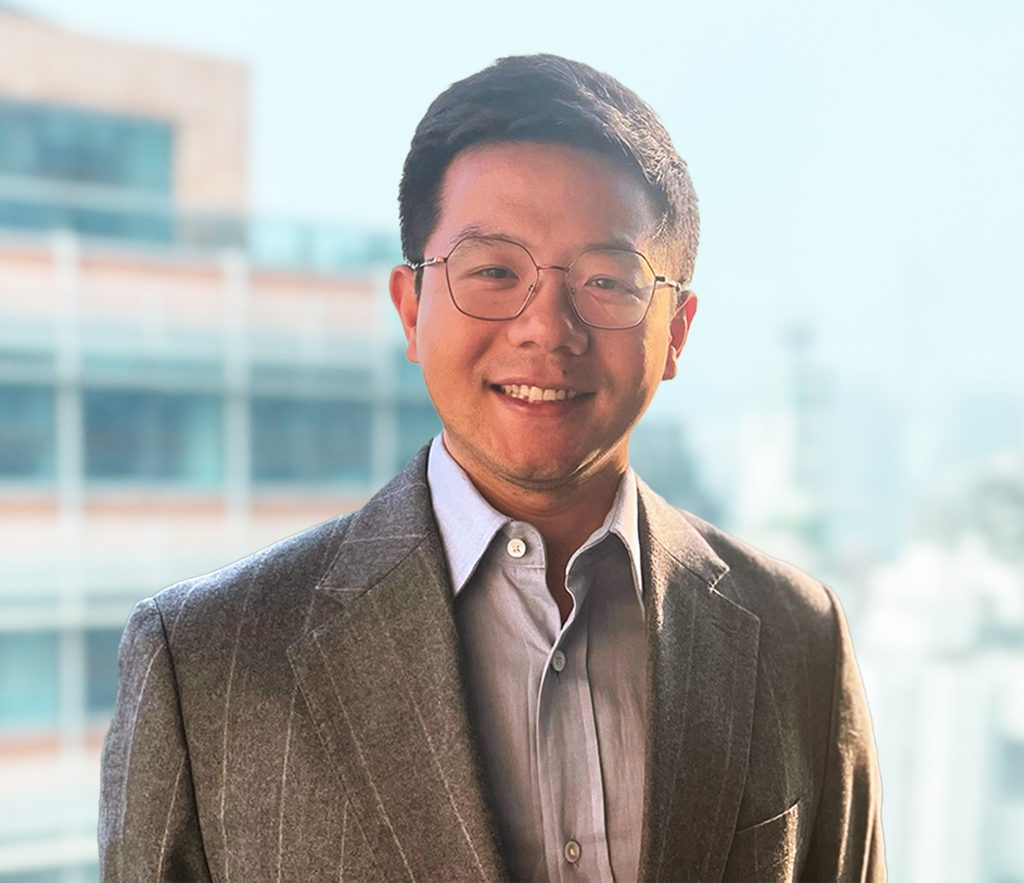
Professor
Junshi XU
Assistant Professor
Department of Geography, HKU
Junshi Xu is an Assistant Professor in the Department of Geography and Deputy Programme Director of the Master of Transport Policy & Planning at The University of Hong Kong. Before joining HKU, he was a Research Associate in Civil & Mineral Engineering at the University of Toronto, where he earned his Ph.D. in Transportation Engineering. He also served as Director of Positive Zero Transport Futures, a living lab initiative focused on transport decarbonization and societal impact.
At HKU, Professor Xu leads the PEACE (People-oriented, Equitable, Accessible, Community-focused, and Environmental) Lab. His research asks how cities can move people and goods while reducing environmental burdens, protecting health, and advancing environmental justice. The lab develops data-driven, simulation-based, and AI-enabled approaches to examine how mobility systems shape environmental exposures and population health, particularly concerning emerging and unregulated air pollutants.
Current projects in the PEACE Lab investigate how mobility, urban activity, and environmental stressors co-evolve across space and time. The group combines retrospective analysis of observed mobility and exposure patterns with scenario-based modelling of future interventions. This work aims to reveal unequal exposure burdens and inform interventions for healthier, lower-carbon, and more equitable cities.
PhD Students
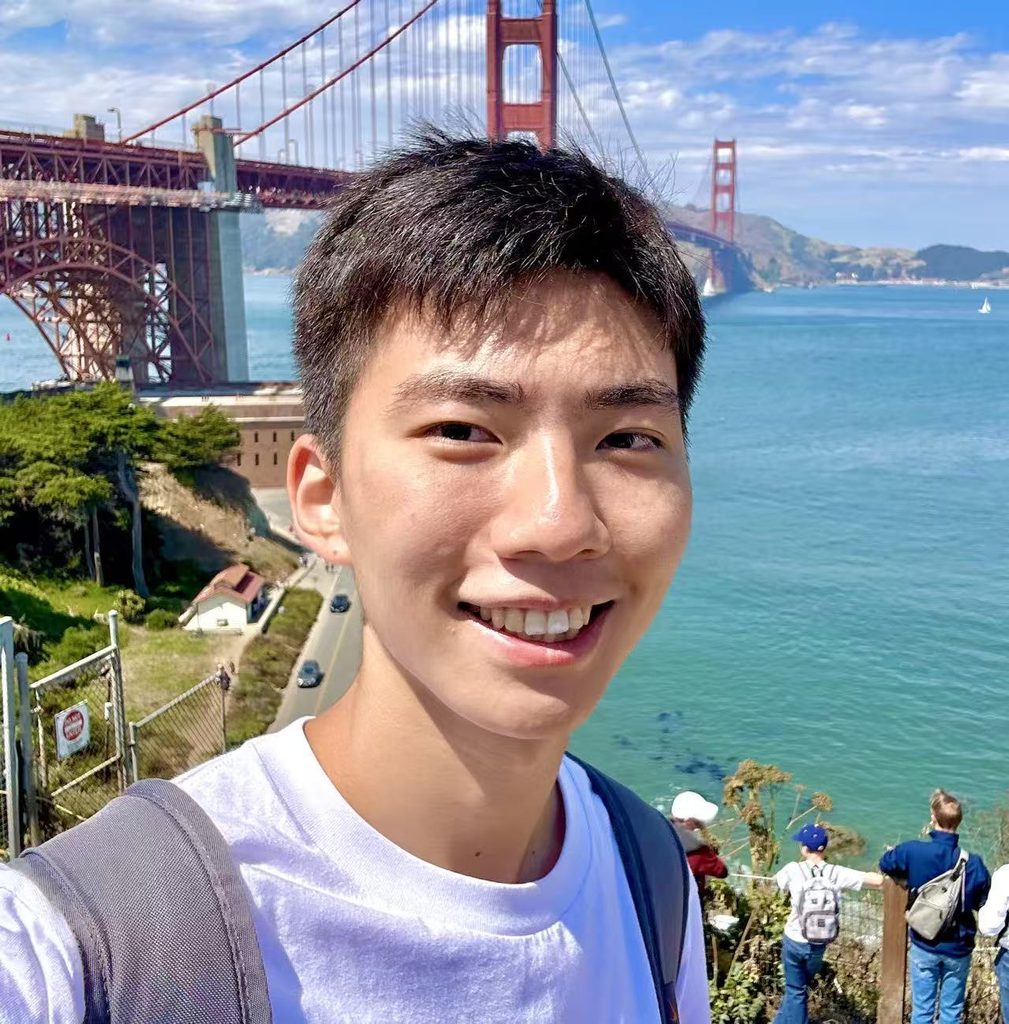
Chenming Niu
Chenming is currently a PhD candidate in Transport Geography in Prof. Xu’s group. Prior to joining HKU, he received a B.E. in Traffic and Transportation Engineering from Southeast University and an M.S. in Transportation Engineering from University of California, Berkeley. His research interests lie at the intersection of AI and traffic emission modelling and reduction design for sustainable transportation systems. He has published papers in top journals and conferences, including Environmental Science & Technology, Journal of Transport Geography, Transportation Research Part D, and others. He currently serves as the chairperson of the Research Postgraduate Student Committee for the Department of Geography at HKU and the chairperson of the Student Committee for the Institute of Transport Studies at HKU.
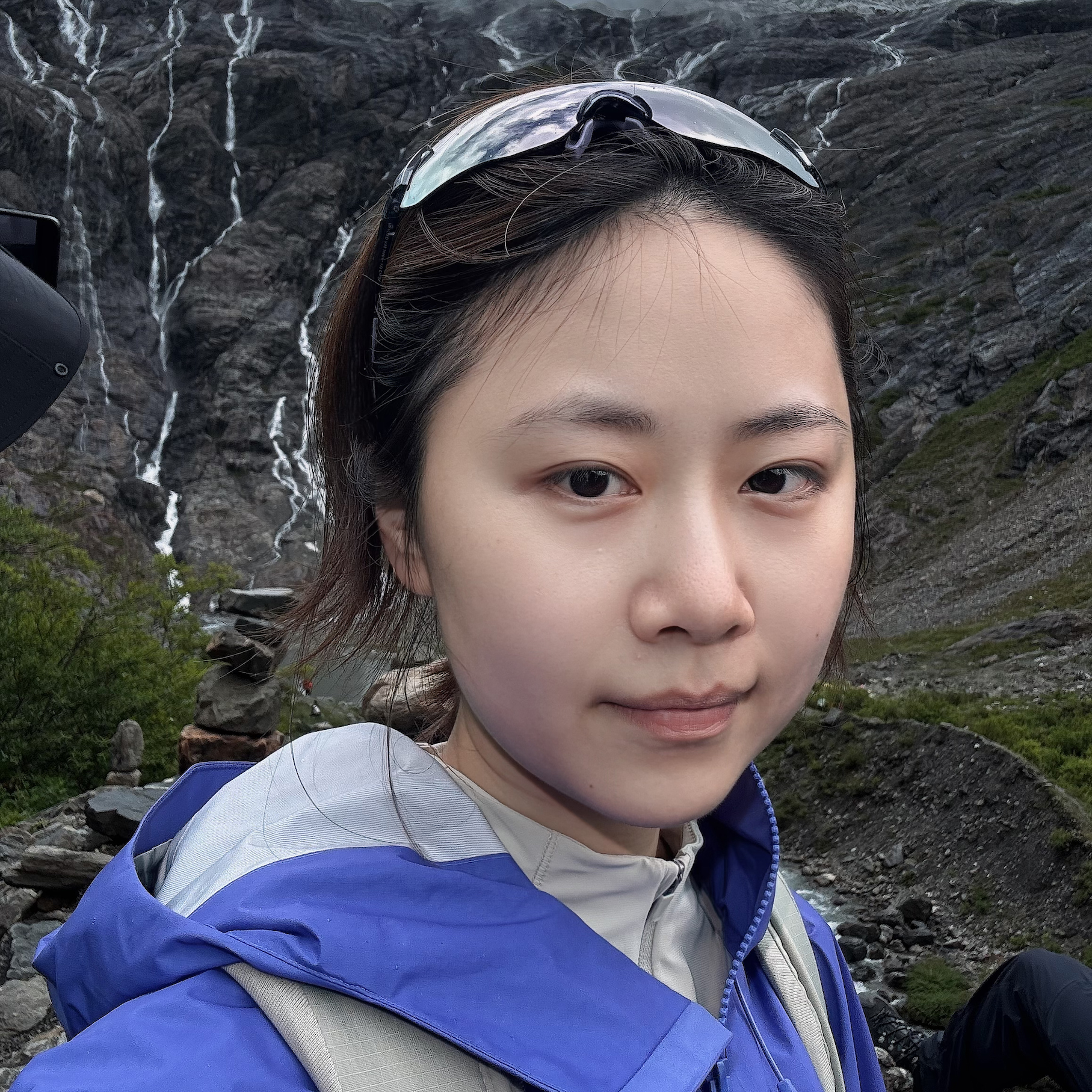
Jiaxin Chen
Jiaxin received a B.Med. in Preventive Medicine from Dalian Medical University in 2022 and an M.P.H. from Fudan University in 2025. Her work brings together her health science background with environmental research, using spatial and computational methods to understand environmental exposures. Her current research focuses on hyperlocal monitoring and modeling of traffic-related air pollution, with particular interests in characterizing spatiotemporal patterns, identifying key driving factors, and investigating associated health outcomes and environmental inequalities. Her research integrates geographic information systems, machine learning, and epidemiological methods.
Master Students
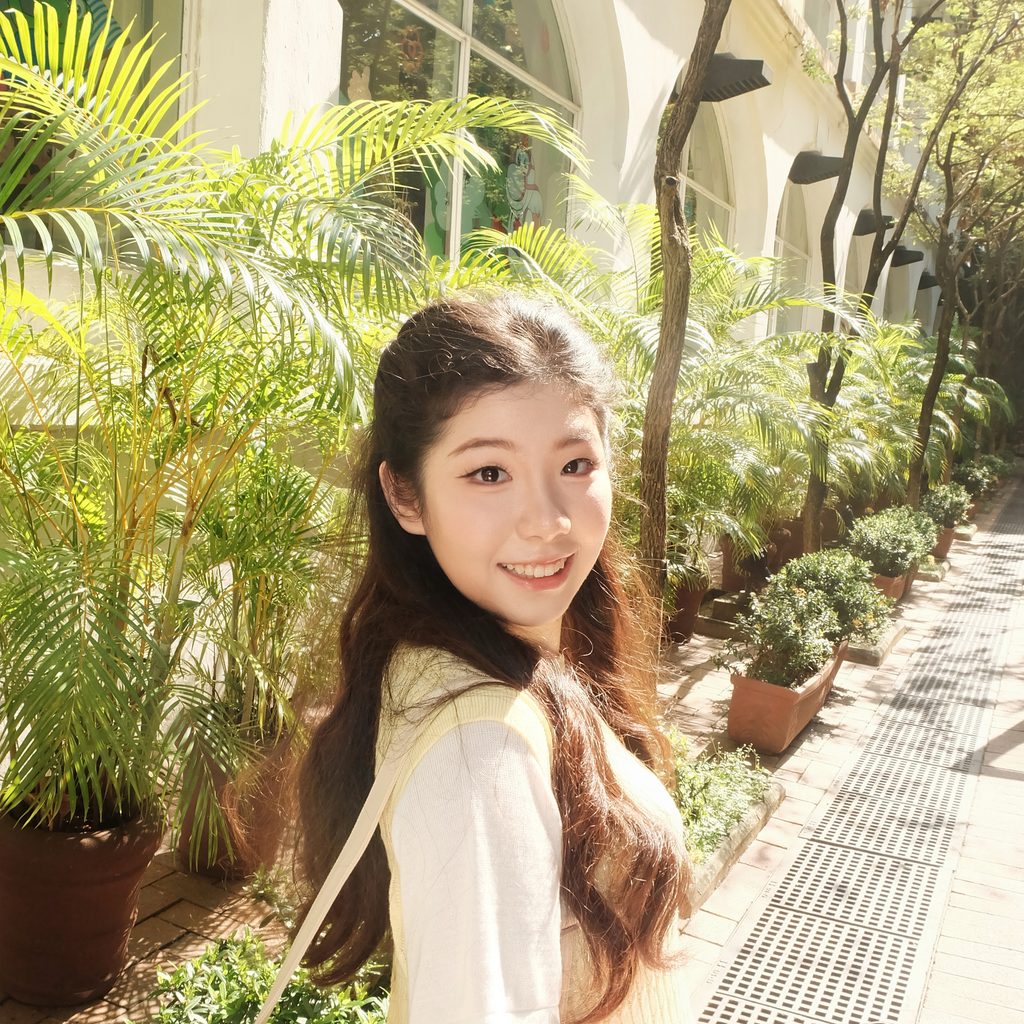
Ziyi He
Ziyi received a B.Econ. in Economics from The University of Hong Kong in 2026. Her academic training has provided her with a strong foundation in applied econometrics, urban and transport economics, and spatial analysis. Her current research focuses on how transportation infrastructure and policy shape urban accessibility, environmental externalities, housing markets, and distributional outcomes. She studies these questions using causal inference, spatial econometric methods, GIS, and large-scale urban and transportation datasets.
Research Assistant
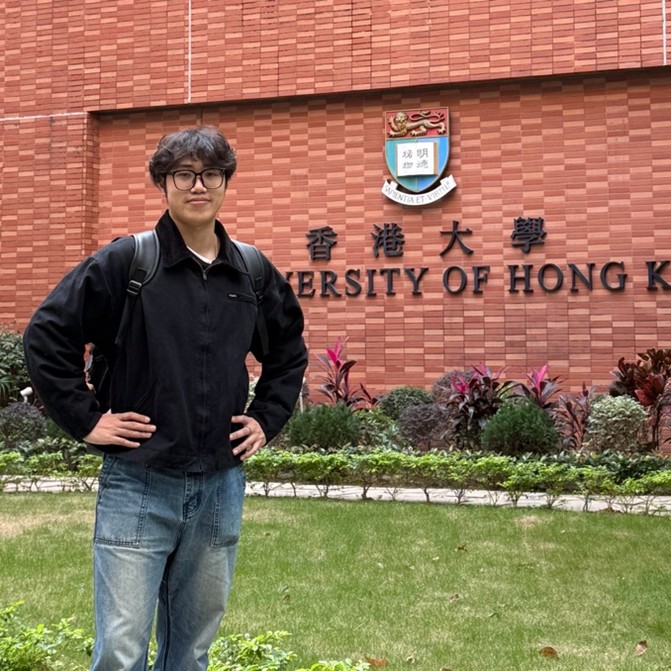
Muyi Zhu
Muyi received a B.Eng in Urban and Rural Planning from Beijing Forestry University in 2024 and an MSc in Geospatial Data Science from the University of Hong Kong in 2025. His research focuses on road safety, air quality, and active urban mobility, with a particular emphasis on evaluating the effectiveness of infrastructure interventions for pedestrians, cyclists, and micromobility users. He applies statistical modelling, machine learning, and causal inference to assess how infrastructure and built-environment interventions affect actual and perceived safety.
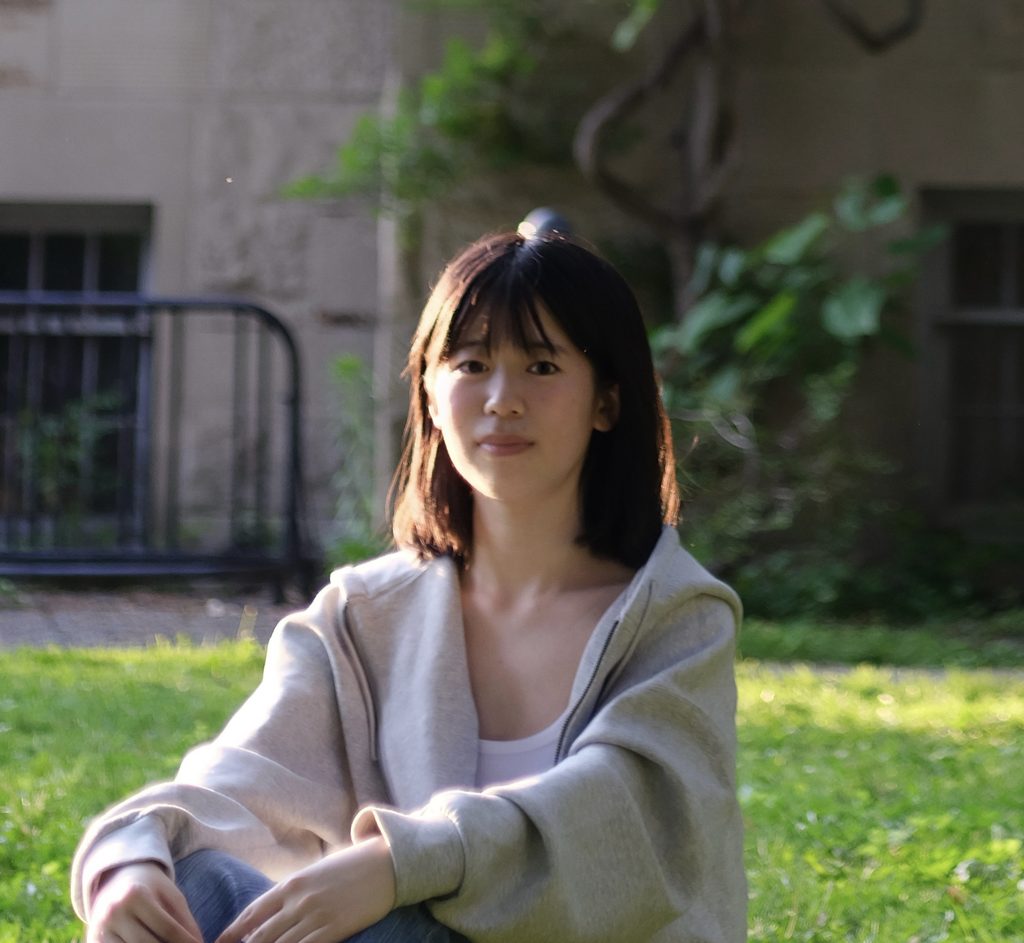
Erica Zhang
Erica’s research interest lies in using computational methods and diverse sources of urban data to sense, characterize, and better understand urban environments and activities at scale. Her previous work focused on the spatial-temporal mapping of traffic-calming infrastructure using computer vision and street-view imagery, enabling the systematic identification of street-safety features across a large number of urban locations. The resulting geospatial dataset extends existing records and provides a richer representation of the built environment, enabling the systematic identification of street-safety features across a large number of urban locations.